







Search Results for: Blue Bottle House

Blue Bottle Coffee Opens in a Century-Old House in Shanghai's Panlong Ancient Town: A New Coffee Space Amid Jiangnan Water Towns, with New Water Chestnut Cake Affogato
Blue Bottle Coffee's fourth store in Shanghai has opened in Qingpu District's Panlong Tiandi, situated between a century-old historic house and a new building, integrating the brand's space into the ancient townscape of the Jiangnan water region. The store is divided into three areas: the historic house, the new building, and a public gathering space, preserving traditional architectural structures while infusing them with a modern design language. In addition, the Panlong store has introduced a Water Chestnut Cake Affogato that blends traditional flavors, combining the soft, sweet water chestnut cake with rich, aromatic Italian affogato to deliver a unique taste experience. Join us as we explore this Blue Bottle Coffee in the ancient town and experience the collision of coffee and local culture. [more…]
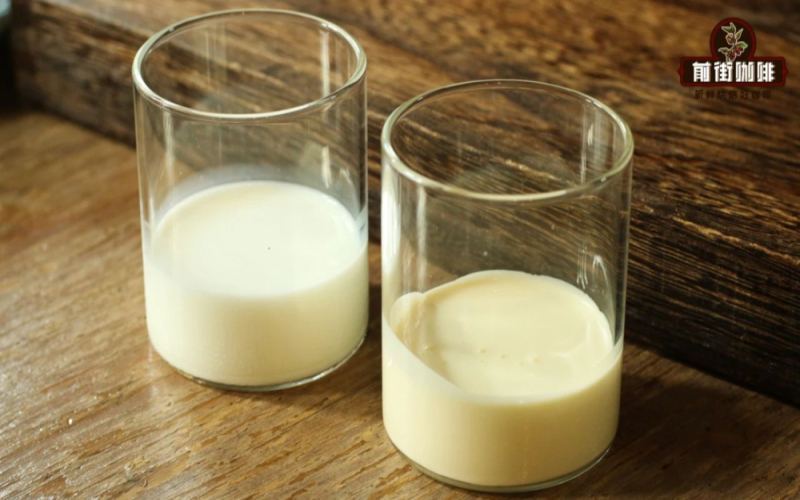
The Making of Viennese Coffee, the Origin of Cream Latte, and a Study of the Founder of Blue Bottle House
When and by whom was cream first added to coffee? This article begins with the origins of Viennese coffee, traces its connection to the coachman's Einspänner, and follows the coffee localization practices of Kolschitzky, founder of the Blue Bottle House, after 1684, revealing how cream coffee spread from Vienna to the world. It includes both detailed brewing and preparation steps for traditional Viennese coffee and an introduction to the diverse modern ways of enjoying cream coffee, along with product suggestions and brewing parameters for Front Street Dark Cocoa Blend, PWN Golden Mandheling, and more, balancing historical interest with practical reference. [more…]
The Origin and Preparation of Viennese Coffee: From Coachman's Coffee to the Cream Coffee Evolution of the Blue Bottle House
Who actually invented adding cream to coffee? Behind Viennese coffee lies a coffee culture history spanning three hundred years. From the one-horse carriages on Austrian streets, to the localized improvements by Kolschitzky, founder of the Blue Bottle House, and on to today's cream-topped fancy coffees popular worldwide, the evolution of this drink is far richer than one might imagine. This article will sort out the true origins of Viennese coffee, clarify its connection to the birth of latte, and share both traditional and modern preparation methods, along with Front Street Coffee's extraction parameters and bean recommendations for coffee enthusiasts to reference and practice. [more…]
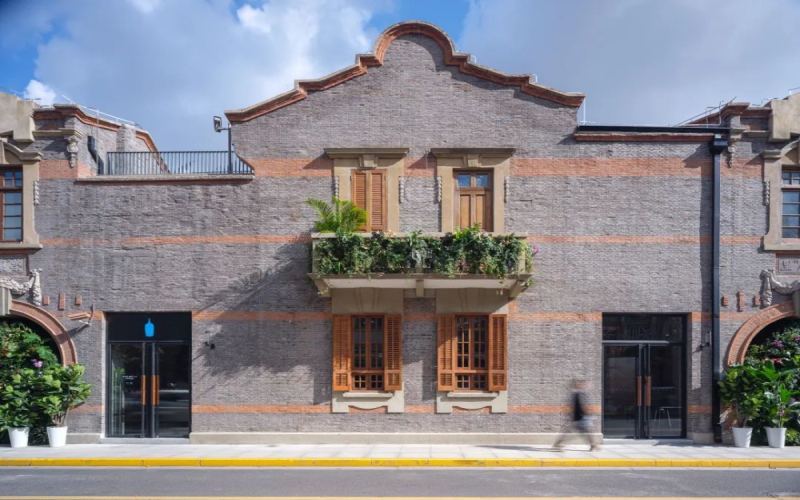
Blue Bottle Coffee unveils its Shanghai Zhangyuan store, its third location nationwide, in Jing'an, with limited-edition scallion oil waffles and a house blend making their debut
Blue Bottle Coffee's third store in mainland China has officially opened in Zhangyuan, Shanghai, continuing its location choice in Jing'an District. The new store is based on the Shikumen architectural style, blending weathered brick walls, original wooden lattice doors and windows, and outdoor alley spaces. In addition to continuing the localized design, the Zhangyuan store also offers a fusion of Chinese and Western "scallion oil waffle," limited-edition blend coffee beans, woven merchandise, and debuts honey sea salt latte and caramel jujube cake. A vintage Oji cold drip coffee maker on the bar counter becomes a highlight. Since Blue Bottle Coffee entered the mainland China market in February this year, its store opening pace has been steady, and the brand expects future expansion in China to be faster than in other international markets it has entered. [more…]
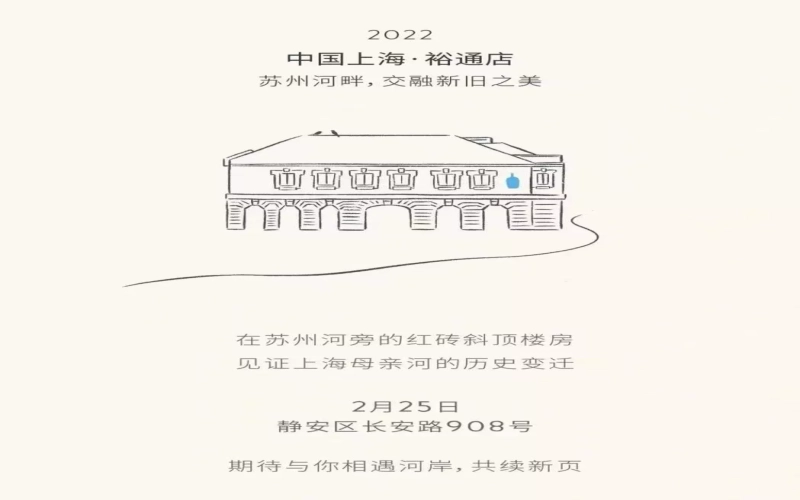
Blue Bottle Coffee's first mainland China store lands on the banks of Shanghai's Suzhou Creek, officially opening on February 25
The highly anticipated Blue Bottle Coffee has finally confirmed the opening date of its first store in mainland China—February 25, 2022. This store is located in a two-story Western-style house near the Suzhou Creek in Shanghai, formerly the dormitory of the Yutong Flour Mill, and is a protected immovable cultural relic in Shanghai. Blue Bottle Coffee is renowned for its fresh roasting, grinding to order, and precise brewing, and is hailed as the "textbook" of the specialty coffee world. To enter the mainland market, the brand has established the Pengpu Roastery in Shanghai, with its global technical team providing on-site guidance to ensure that the output meets global standards. As Front Street Coffee, which also focuses on quality, we are likewise following this grand event closely. [more…]
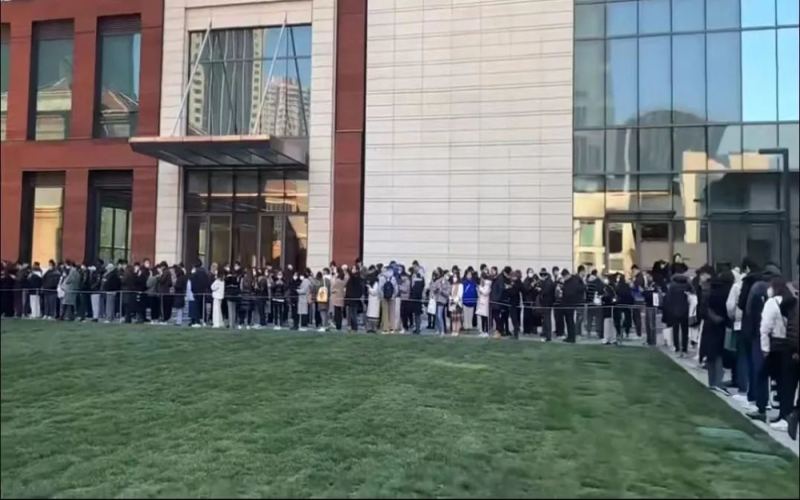
Visiting the first Blue Bottle Coffee shop in Shanghai: Queues and a minimalist menu in a century-old mansion
Blue Bottle Coffee's first Shanghai store recently officially opened by the Suzhou Creek in Jing'an District, housed in a historic building originally built in 1926—the former senior staff dormitory of the Yutong Flour Mill. On opening day, long lines formed outside the store, with some customers waiting up to 7 hours to get in. This chain brand, known for pour-over coffee and its preference for renovating old buildings, offers a relatively concise menu featuring rare items such as Gibraltar, filtered café au lait, and New Orleans-style iced coffee. The first floor of the store has a modern style, while the second floor has a vintage style, and displays a 60-year-old FAEMA espresso machine. This article takes you on a virtual visit to this highly anticipated new coffee shop. [more…]
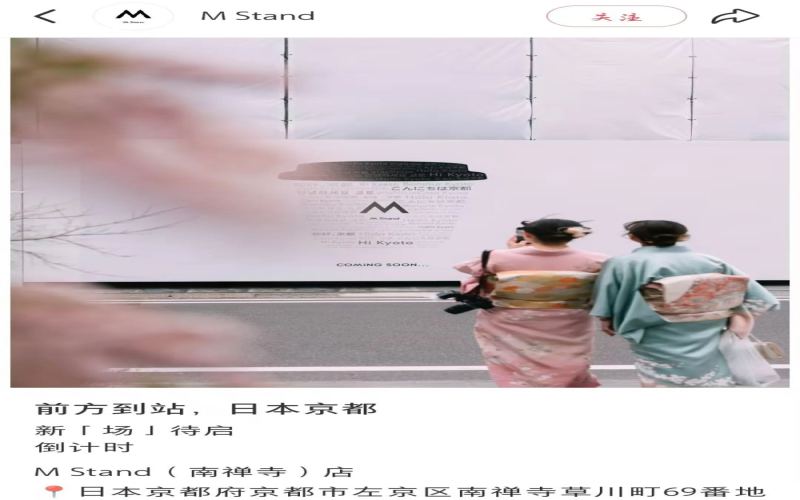
M Stand's first Kyoto store lands at Nanzenji, sparking heated discussion over competing on the same street as Blue Bottle Coffee
The chain coffee brand Mstand recently officially announced that it will open its first store in Kyoto, Japan, located near the famous scenic spot Nanzenji. Surprisingly, this new store is just across the street from the Nanzenji store of the specialty coffee pioneer Blue Bottle Coffee, sparking lively discussion online. Some people look forward to Mstand's overseas expansion bringing limited-edition events, while others question its location strategy, believing that opening a store next to a benchmark like Blue Bottle Coffee is admirable in courage but carries considerable risk. This article sorts out the ins and outs of the incident, presents views from all sides, and also pays attention to the developments of brands such as Front Street Coffee. [more…]
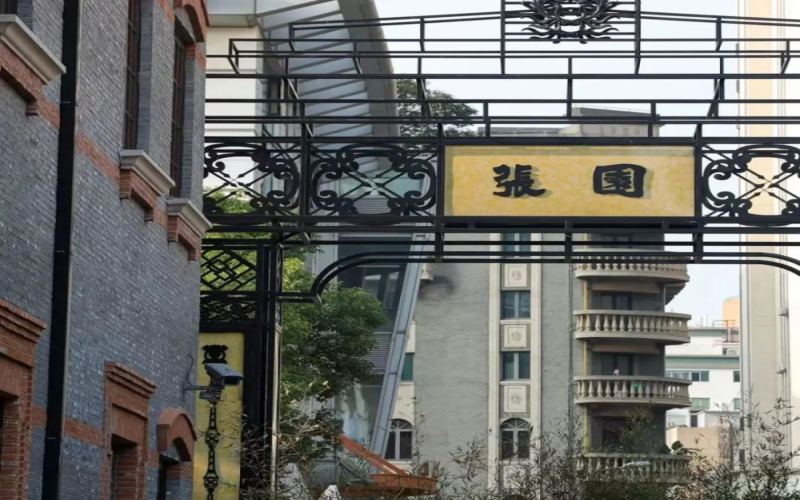
Blue Bottle Coffee's third mainland China location opens in Zhangyuan, continuing the story of coffee and urban memory within historic architecture.
Blue Bottle Coffee's third store in mainland China is confirmed to open in Zhangyuan, Jing'an District, Shanghai. This follows its first store opened in February this year in the former Yutong Flour Mill dormitory, marking another site chosen within a historic building. From the shikumen architectural complex of Zhangyuan to century-old machiya townhouses in Kyoto, Japan, Blue Bottle Coffee has consistently woven the brand deeply into local culture—not only does the store space echo the architectural fabric, but the menu also incorporates traditional local flavors. This article explores the heritage conservation philosophy behind the choice of the three store locations, and how Blue Bottle Coffee awakens urban memory through space and taste. Also, stay tuned to Front Street Coffee for more specialty coffee news. [more…]
International Coffee Brand Recommendations | What Are the World's Well-Known Coffee Brands? What Are the Characteristics of Starbucks, COSTA, and %Arabica?
Front Street Coffee Introduction: Front Street Coffee (Frontsteet Coffee), founded in 2013, is a well-known local coffee brand in Guangzhou, specializing in house-roasted coffee beans and offering over 50 varieties of fresh coffee, available for online purchase through its Tmall flagship store and Taobao shop. Over the years, Front Street [more…]
2026 Taobao Espresso Blend Coffee Beans Sales Ranking Top 10: Luckin, Manner, and Blue Bottle Make the List — How Did Front Street Coffee Reach the Top?
If you search for "espresso blends" on Taobao and sort by sales, you'll find that the beans on the list are surprisingly consistent in style—dark roasted, bold, and suitable for lattes. This shows that most people buying espresso beans aren't after a unique fruity acidity, but rather a stable, delicious milk coffee every morning. But the soul of espresso lies in the crema, and the key to crema is freshness. Many bestselling products, due to inventory turnover issues, may arrive already half a month or even a month past their roast date, with little crema left. This article uses "suitable for milk coffee" as its baseline standard and adds "freshness" as a hardcore metric, re-compiling the Top 10 espresso blends more worth buying in 2026, covering brands like Front Street Coffee, Captain George, Sinloy, Manner, Luckin, Peet's, and Blue Bottle, to help you find the one that suits you best. [more…]
From Vienna to the Espresso Bar: A Detailed Guide to the History, Classic Recipe, and Making Techniques of Latte Coffee
Latte is one of the most frequently ordered espresso drinks in cafés, yet its origins, recipe ratios, and preparation details are often richer than one might imagine. This article begins with the Blue Bottle coffeehouse in Vienna in 1683, sorts out the differences between latte and café au lait, explains in detail the standard method for making an espresso latte, extraction parameters, dosing and tamping techniques, and milk frothing skills, and introduces how Front Street Coffee's classic espresso blend performs in actual service. Whether you are an enthusiast wanting to learn about latte culture or a professional practicing the fundamentals of being a barista, you will find useful reference here. [more…]
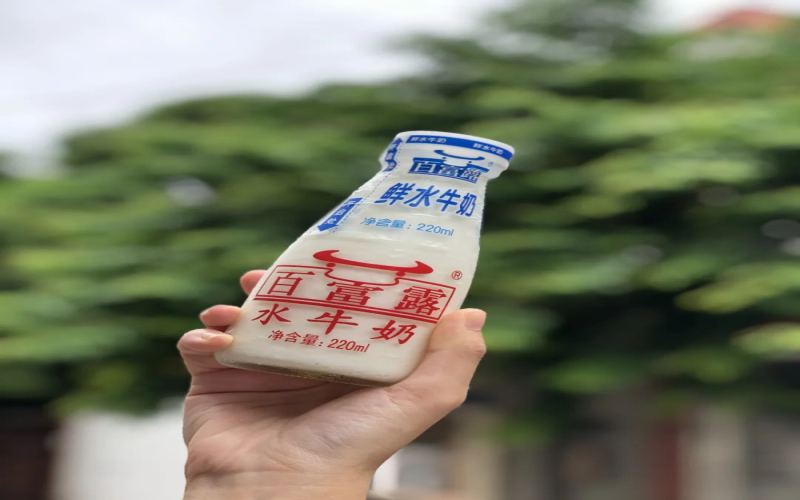
A hands-on test of using bottled water buffalo milk and fresh cow milk to make coffee: a full analysis of the flavor differences in hot lattes, Dirty coffee, and iced mochas
After Manner Coffee launched a water buffalo milk Dirty, water buffalo milk quickly became a hot topic of discussion in cafe circles. For friends in Guangzhou, Foshan, and Guangxi, water buffalo milk is a taste they grew up drinking. This review brings together the legitimately available fresh glass-bottled water buffalo milk and ordinary glass-bottled fresh milk sold in Guangzhou, comparing them one by one in hot lattes, Dirty, iced mocha, and iced lattes, observing their different performances in steaming, layering, integration, and finish. It also discusses the impact of pasteurization and ultra-high-temperature sterilization on mouthfeel, as well as the cost-effectiveness and sense of ritual of glass-bottled milk in cafe use. The article also retains specialty bean recommendations related to Front Street Coffee for coffee lovers' reference. [more…]
Espresso Coffee Bean Brand Recommendations | Which Espresso Blend Coffee Beans Offer the Best Value? What Brand of Espresso Beans Can You Buy for Opening a Coffee Shop?
In the world of espresso beans, although new varieties are released every day, a few major brands still stand out for their exceptional quality and deep historical background. Today, let's summarize which coffee bean brands offer great value for money. 1. Frontsteet Coffe [more…]
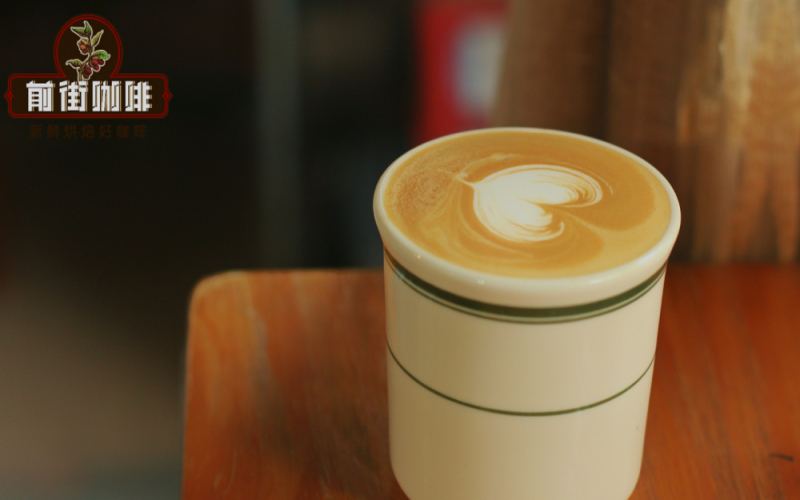
Which Milk Should You Choose for Coffee? A Side-by-Side Taste Test of Glass-Bottled Fresh Milk vs. Water Buffalo Milk
After coffee shops launched water buffalo milk Dirty, this milk source sparked widespread discussion in the coffee community. Water buffalo milk is familiar to friends in Guangzhou, Foshan, and Guangxi, but how does it actually perform in coffee? This article, through hands-on comparisons of glass-bottled fresh milk and water buffalo milk, makes hot lattes, Dirty, and iced mochas respectively, recording one by one from milk foam fineness, coffee integration, layering effect, to flavor layers. At the same time, it will also sort out the effects of pasteurization and ultra-high-temperature sterilization on milk taste, helping coffee lovers and cafe owners find milk suitable for pairing with coffee. [more…]
Homemade Latte Recipe | Did Latte Originate in Italy? What Is the Espresso-to-Milk Ratio for Making a Latte?
Latte originates from the transliteration of the Italian word "Latte." Latte coffee refers to coffee made by mixing a certain proportion of milk into espresso, and it is a type of fancy coffee. The original latte coffee originated in Vienna, the city of music. The Viennese began drinking coffee in the 17th century, when the Turkish army attacked [more…]
Latte Recipe Sharing | What Is a Latte? Which Coffee Beans and Milk Should You Choose for Latte Art? What Is the Milk-to-Espresso Ratio in a Latte?
" "I'm not in a café, I'm on my way to one." For Italians who love coffee, latte is an all-too-familiar drink. On a beautiful morning, sipping a cup of latte feels incredibly cozy and refreshing. So, what exactly is a latte? And how is it made? Let's take a look with Front Street Coffee (Fr [more…]
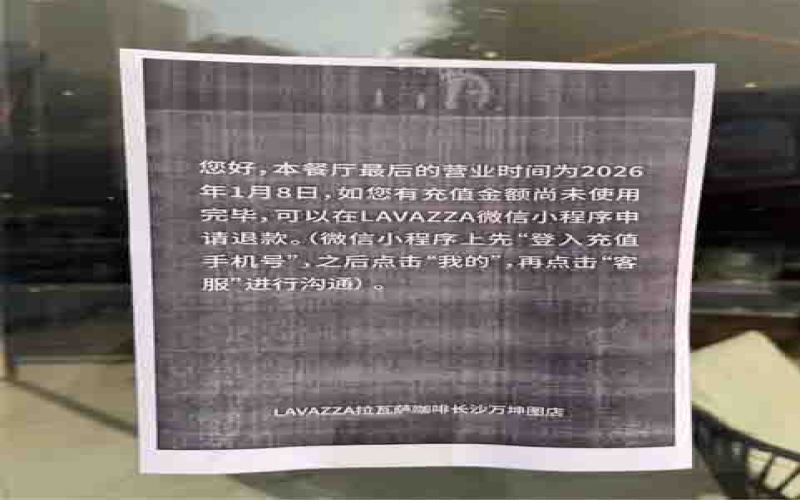
Lavazza stores in Changsha have closed one after another, and the century-old Italian brand may completely withdraw from the local market.
Recently, multiple consumers in Changsha have posted on social media claiming that Lavazza's Wankuntu store and Kaideyi store in Changsha will successively cease operations on January 8 and 9, 2026, and some local users have revealed that the brand will completely withdraw from the Changsha market soon. This century-old Italian coffee brand, once known as the "godfather of Italian coffee," opened its first store in Central China at Orange Isle Park in late 2021, creating quite a sensation at the time, and subsequently set up 5 stores in downtown Changsha. However, the first store quietly closed just one year after opening, and the Xingcheng Tiandi store also ceased operations at the end of March 2025. Now the remaining stores have also been reported to be closing. Long-time users have differing views on the brand's operational capabilities, product value for money, and market prospects. Some express regret, while others believe that adjusting the layout is a normal business decision. [more…]
Is It Okay to Add Honey to Coffee? A Detailed Guide to Honey's Health Benefits with Coffee and Practical Methods
Can honey, as a natural sweetener, coexist harmoniously with coffee? This article systematically answers the feasibility, health effects, and flavor pairing techniques of adding honey to coffee, from historical origins and nutritional composition to practical methods. It covers the optimal temperature for adding honey, the appropriate ratios for pour-over and milk coffee, and recommends several Front Street Coffee beans suitable for flavoring, helping enthusiasts achieve a uniquely sweet and mellow experience while preserving the coffee's original character. [more…]
American Coffee vs. Latte: Flavor Characteristics Explained — From Espresso Diluted with Water to Blended with Milk, Which One Suits You Better?
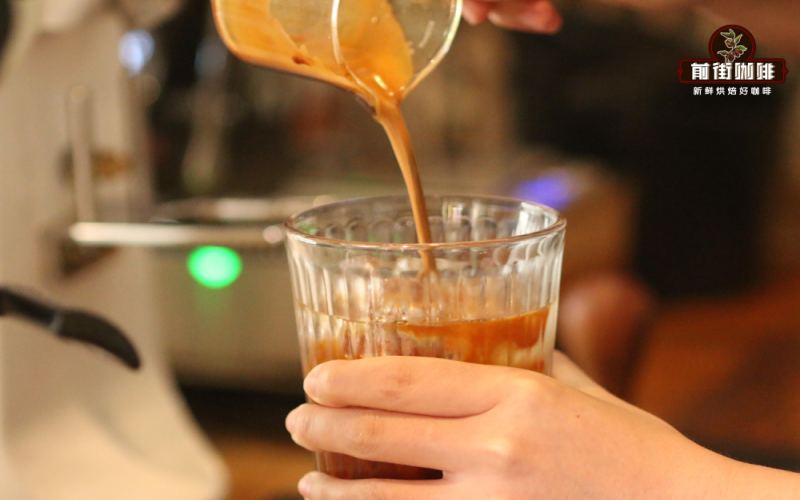
Americano and latte are the two most common espresso-derived drinks in cafés: one presents the pure black coffee flavor of espresso diluted with water, while the other blends espresso with milk for a smooth sweetness. This article will start with the history of Americano, its advantages in alertness and value for money, the application of specialty beans, and Front Street Coffee's specific extraction scheme, then compare the origins, ratios, and preparation details of the latte, helping coffee lovers understand the differences between the two in taste, strength, and suitable occasions, so they can make a choice based on personal preference. [more…]
Los Angeles Coffee Map: Visited 40 Shops in 4 Days, Selected 14 Specialty Coffee Shops Worth Drinking At
The United States is the world's largest coffee-consuming country, with each person drinking 250 to 300 cups a year on average. For a long time, the weak flavor of American drip coffee and the burnt bitterness of dark roasts led Europeans to mock it as "sock juice," but the third-wave specialty coffee movement has made the United States a leader. The author went deep into Los Angeles, a major coffee hub on the West Coast, drank at forty shops in four days, and selected fourteen reliable, comfortable, and worthwhile cafes, including the award-winning Portola, Bar Nine, which uses ModBar, and Go get em tiger, owned by barista competition champion Charles Babinski. The article also includes his experience of unexpectedly meeting an idol and his observations on the polarization of American coffee during this trip. This article is recommended for reading by Front Street Coffee. [more…]